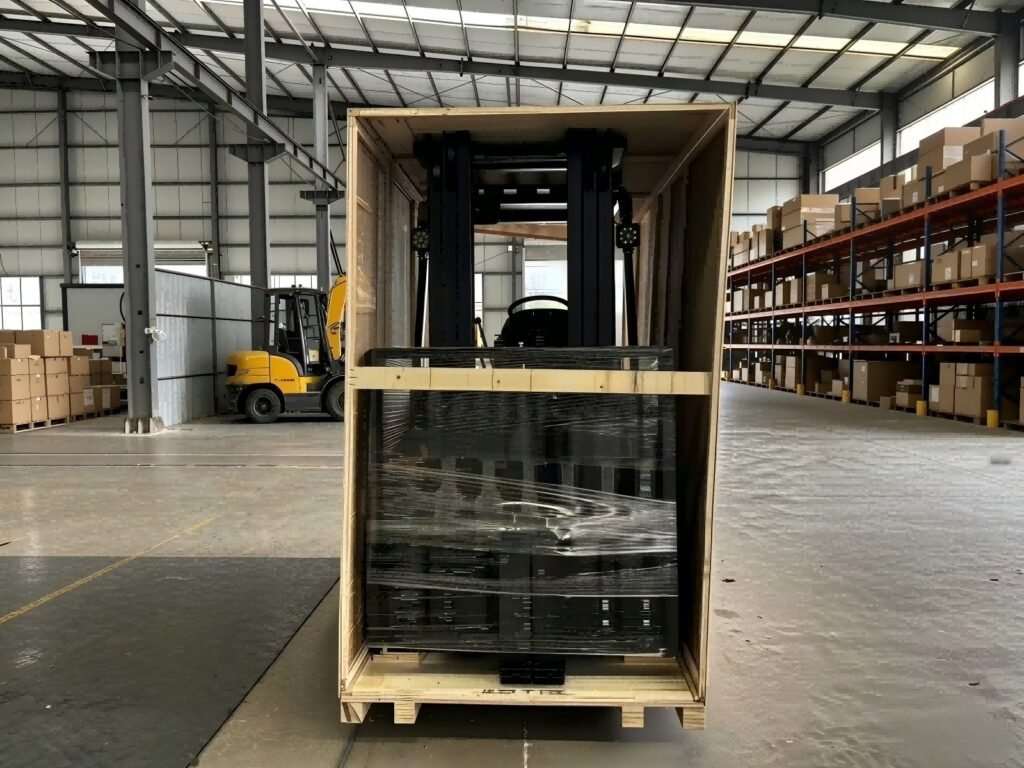

What should be considered when choosing wooden crates for packaging?
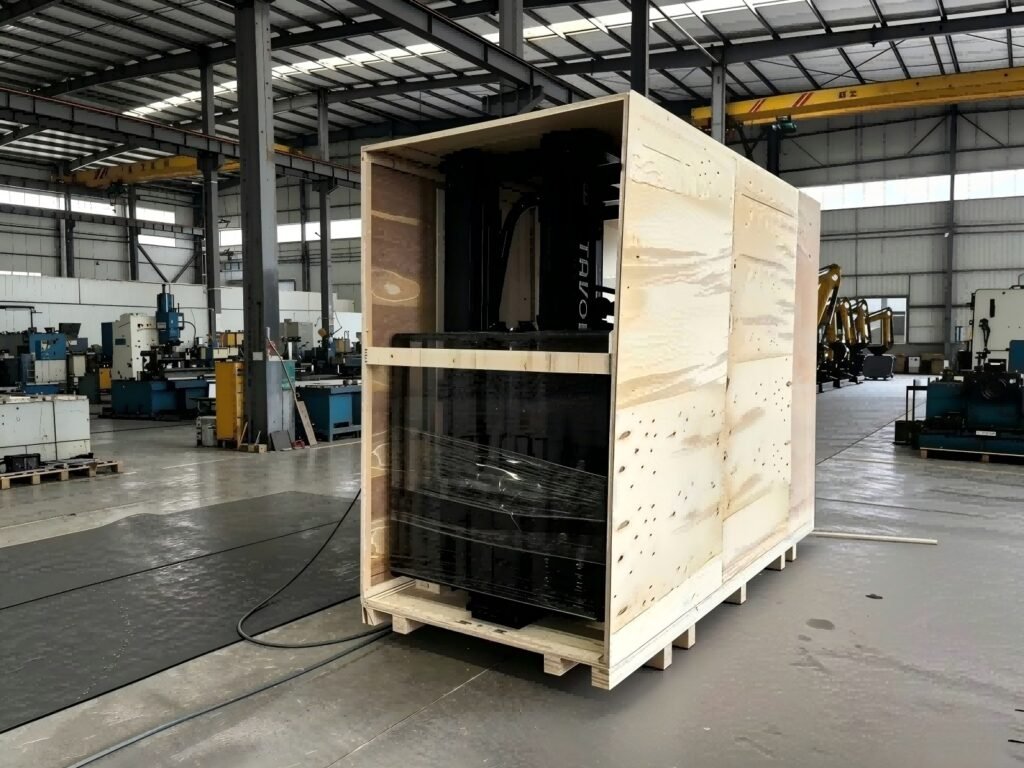
The Importance of Wooden Crates in International Maritime Transport of Machinery and Equipment
In international maritime transport, machinery and equipment are high-value, precision and heavy cargoes with strict transportation requirements. Wooden crates are the preferred packaging for such goods, thanks to their reliable performance and compliance with logistics industry standards. They are essential for equipment protection, standard LCL shipping operations and stable cross-border maritime transportation.
1. Core Protection: Fundamental Barrier for High-Value Machinery and Equipment
The primary function of wooden crates is to protect machinery and equipment during long-distance sea freight. Maritime transportation involves inevitable risks such as vessel vibration, stacking pressure, collision, humid air and salt spray corrosion, which can easily damage precision parts and electrical components of equipment. Custom wooden crates feature sturdy structures, internal fixation and shockproof designs, effectively buffering external impact and preventing equipment displacement and friction damage. Equipped with moisture-proof accessories, they also resist marine humidity and corrosion, ensuring the equipment arrives intact and avoiding economic losses from cargo damage.
2. Industry Mandatory Requirement: Necessity for LCL (Less than Container Load) Shipping
Wooden crate packaging is a mandatory requirement from freight forwarders for machinery in LCL (Less than Container Load) shipping, which is a universal industry rule. Unlike FCL shipping with exclusive container use, LCL shipping consolidates goods from multiple shippers in one container. Unpackaged machinery with irregular shapes and exposed metal parts poses huge risks, easily colliding with, scratching or damaging other cargoes and triggering compensation disputes.
To ensure overall container safety and avoid logistics risks, formal forwarders strictly require wooden crate packaging for all mechanical equipment in LCL consolidation. Goods without standard wooden crates will be rejected for LCL shipment. This rule standardizes loading operations, protects all cargo owners’ interests and eliminates potential cross-cargo damage risks in consolidated containers.
3. Excellent Adaptability: Perfectly Suited to Complex Maritime Transportation Scenarios
Wooden crates fit maritime transportation scenarios perfectly. They have high hardness and compression resistance, capable of withstanding port stacking and heavy handling without deformation. Meanwhile, they can be customized for oversized, irregular and non-standard machinery, making up for the limitations of standard packaging. Their unified structural design also facilitates port hoisting and stowage, improving cargo handling efficiency.
4. Standardized and Cost-Effective: Facilitate Customs Clearance and Control Logistics Costs
Fumigated export wooden crates meet international phytosanitary standards, avoiding customs inspection and detention problems and ensuring smooth customs clearance. In terms of cost, wooden crates are more cost-effective than metal and plastic packaging with low manufacturing costs. They are also recyclable, helping enterprises reduce repeated packaging expenses while complying with green logistics requirements.
Conclusion
To sum up, wooden crates are indispensable in the maritime transportation of mechanical equipment. They provide reliable anti-shock, anti-collision and moisture-proof protection for high-value equipment. Most importantly, standard wooden crate packaging is a mandatory condition for machinery to be shipped via LCL consolidation. With strong scene adaptability, smooth customs clearance and cost advantages, wooden crates guarantee safe, efficient and standardized cross-border transportation of mechanical equipment.